
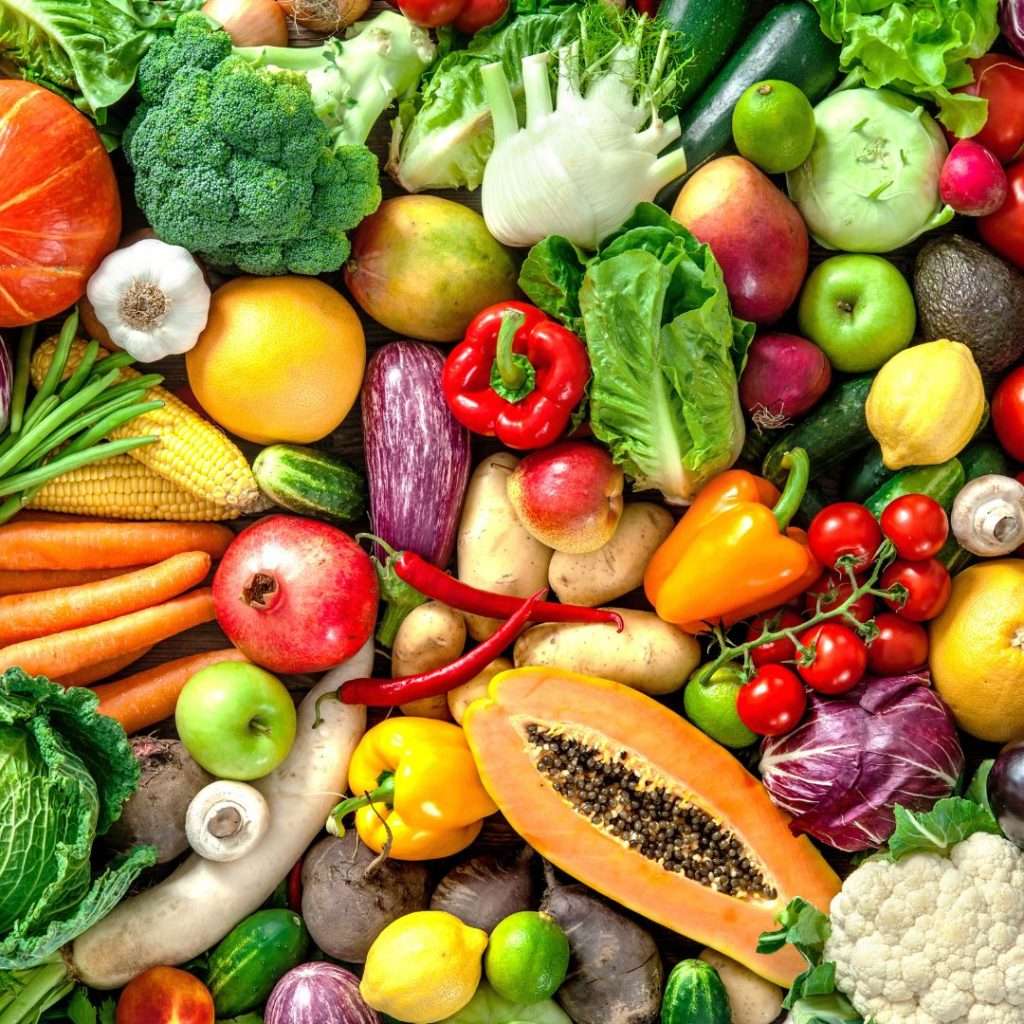
Viagra foods refer to a set of dietary options that positively influence blood flow to the penis, helping to maximize erections. These foods provide both a physical or organic benefit by promoting arterial dilation in the penis and a psychological effect by associating their consumption with potential sexual enhancement.
Before discussing foods with properties similar to Viagra, it is essential to remember that the best way to combat impotence and optimize penile function is through holistic measures that benefit not only the penis but also the heart, kidneys, and overall health. Key recommendations include regular physical activity, avoiding processed foods, controlling cholesterol, blood pressure, and blood sugar levels, and maintaining a healthy weight according to height and body type.
While certain foods can support erectile function, others can have a detrimental effect. In fact, the negative impact of harmful foods far outweighs the potential benefits of beneficial ones. The biggest enemies of erectile health are tobacco, alcohol, and processed foods. Additionally, any type of drug is a direct threat to proper penile function.
As a general rule, fresh and minimally processed foods are beneficial for both erectile health and overall well-being. On the other hand, highly processed and ultra-processed foods are harmful. The arteries in the penis function similarly to those in the heart, which is why dietary and lifestyle choices that promote heart health also support erectile function.
Among the most beneficial foods for erectile function are vegetables, nuts, salmon, avocado, and berries. The book Your Penis by Dr. Noval dedicates an entire chapter to this topic, but here are some of the foods with the most scientific evidence supporting their role in improving erections:
Avocado. A rich source of polyunsaturated fatty acids that help dilate the arteries in the penis.
Nuts. Their anti-inflammatory properties and high micronutrient content make them beneficial, though they should be consumed in moderation due to their high-calorie content.
Chocolate. Increases serotonin levels, enhancing sexual desire and overall well-being. Sugar-free, pure chocolate is the best option.
Celery. Contains compounds similar to sex hormones that can boost libido.
Dates.Beneficial for sperm motility, though their high sugar content requires moderate consumption.
Watermelon. Contains citrulline, which can enhance erections.
Blueberries. Offer anti-inflammatory benefits, which support penile artery function.
Strawberries. Known for their aphrodisiac properties and low sugar content.
Figs. Contain beta-carotene, which supports the production of sex hormones.
Arugula. Perhaps the closest food to Viagra, as it directly mediates nitric oxide, which dilates penile arteries.
Salmon. High in vitamin D, which may enhance sexual performance.
Cinnamon. Both aphrodisiac and vasodilatory, making it a beneficial ingredient.
Oily Fish. Rich in omega-3 and polyunsaturated fats that promote blood flow and support erections.
Spinach. Boosts sperm production due to its micronutrient content.
Pistachios. Another source of vitamin D, making them an important ally for penile function.
Oysters. Primarily known for their aphrodisiac effects, but their high zinc content also supports sexual health.
Avocado, strawberries, arugula, dates, cinnamon, figs, salmon, dark chocolate, oily fish, spinach, pistachios, and oysters—many of these foods can have a positive impact on erectile function. However, the potential benefits of these foods are far less significant than the damage caused by harmful dietary and lifestyle habits. For example, a meal featuring avocado, salmon, watermelon, and arugula could be beneficial, but if accompanied by alcohol and processed foods, the overall impact on erectile function would be negative. The best recommendation is to maintain a diet rich in vegetables, fruits, and fresh foods, while avoiding tobacco, alcohol, drugs, and processed products. Regular physical activity is also crucial, as it benefits both erectile function and cardiovascular health.